

WFP is reaching the last mile with early warning messages in Southern Africa
A regional case study on developing and disseminating messages to communities ahead of El Niño-induced drought
In 2023-2024, El Niño brought severe drought to Southern Africa, worsening food insecurity for millions of people. In July 2023, Lesotho, Madagascar, Mozambique and Zimbabwe reached their triggers for moderate and severe drought ahead of the rainy season. To enable communities to act ahead of the impact of drought, the World Food Programme (WFP) developed and delivered Last-Mile Early Warning Messages (LMEWM) and climate information services, as part of an anticipatory action activation. These messages provided timely, clear advice to vulnerable communities, helping them act before the drought struck.
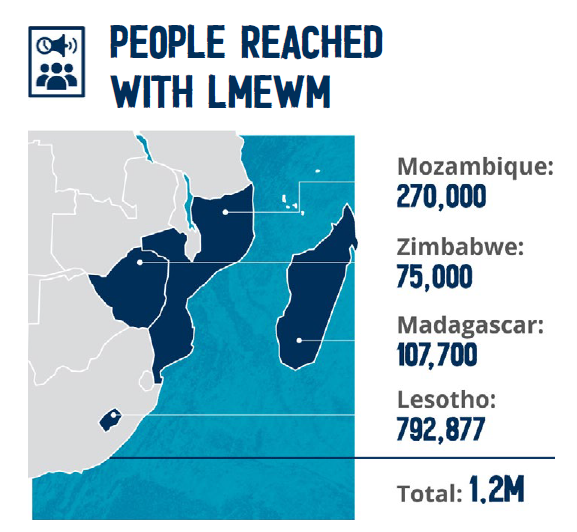
WFP worked in Lesotho, Madagascar, Mozambique, and Zimbabwe to deliver these life-saving messages, and their recently published case study documents what worked well, and what lessons can be learned for the future.
Why last-mile early warning messages matter
Early warning messages give people time to prepare for climate hazards, like droughts or floods. In Southern Africa, many vulnerable groups live in remote areas where information often arrives too late.
LMEWM focused on reaching the 'last mile" – people in hard-to-reach areas, or people or communities who are specifically marginalized. These messages included practical advice, such as:
Planting drought-tolerant crops.
Harvesting and storing rainwater.
Using shade nets to protect crops.
By acting on this advice, farmers and families were able to reduce losses and protect their livelihoods.
Developing and sharing the messages
WFP worked with partners like National Meteorological and Hydrological Services (NMHS), local governments, and Agricultural Extension Officers (AEOs) to develop and deliver the messages. Here’s how it worked:
Forecasts and advice: NMHS issued weather forecasts predicting drought conditions. These forecasts were shared with experts and local groups to develop practical advice for farmers and communities.
Tailoring to contexts and needs: The messages were designed to be simple, clear, and relevant to each community. For example, in Madagascar, messages were translated into local languages like Mahafaly and Bara.
Using trusted channels: Messages were shared using multiple methods to ensure everyone could access them:
Community radio broadcasted messages in local languages.
WhatsApp groups connected farmers to Agricultural Extension Officers.
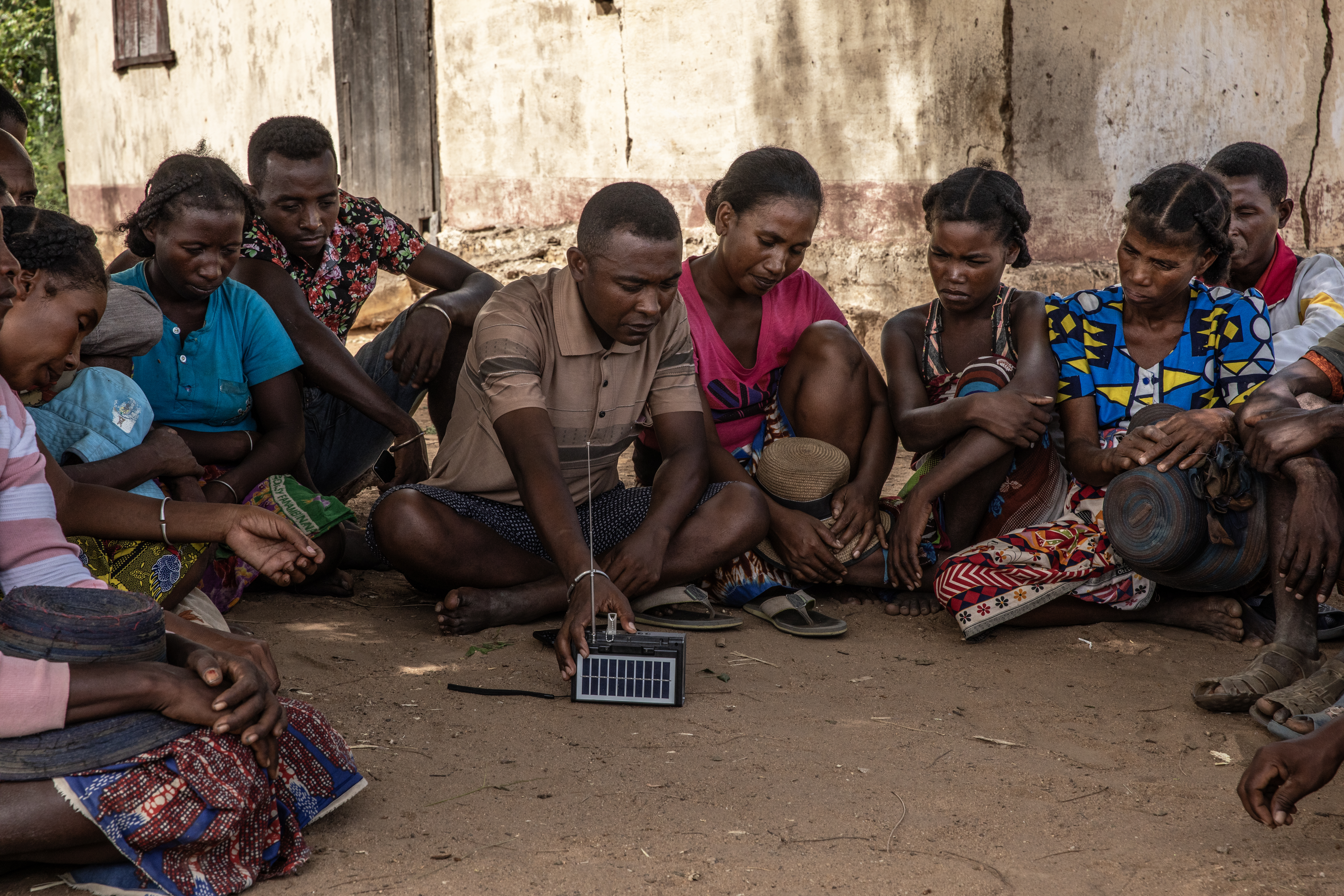
Public gatherings and mobile radios reached communities without access to technology.
Training local experts: Agricultural Extension Officers were trained to explain forecasts and share advice with farmers. In Zimbabwe, for example, officers used WhatsApp to send weather updates every 10 days.
“When the AA activation happened, we could leverage on these trained experts to support the
implementation in the districts that activated”
- Key Informant Interview, Zimbabwe
What worked well:
Wide reach: over 1.2 million people received the early warning messages across the four countries. The messages reached even remote communities through diverse communication channels.
Tangible impact: farmers who acted on the advice – like planting drought-tolerant crops – reported better outcomes than those who didn’t. In Zimbabwe, farmers who followed advisories described experiencing greater resilience during the drought compared to previous dry spells.
Building trust: communities noted increased confidence in the early warning messages as they observed improvements in the forecast accuracy over time. For example, in Mozambique, improved predictions led to greater confidence in the messages.
While the programme itself was a success, there were important lessons from the implementation:
Some technical terms, like “below-normal rainfall,” were confusing for communities. Messages need to use simple, actionable language that explains what to expect and how to prepare.
In general terms, it was difficult to reach shepherds in remote areas. Solutions like solar radios and community engagement helped improve access.
Translating messages into local languages was essential for understanding and trust. Partnerships with community radio stations made this possible.
Sharing weather updates regularly, not just during emergencies, helps communities stay prepared and builds trust over time.
Key takeaways:
Collaboration is crucial: working with meteorological services, governments, and local leaders ensured messages were timely, accurate, and trusted.
Local solutions work: tailoring messages to local languages and needs increased their effectiveness.
Invest in capacity building: training Agricultural Extension Officers and local experts ensured messages were delivered effectively to farmers.
WFP’s Last-Mile Early Warning Messages showed how timely, clear, and practical information can help communities prepare for disasters. By combining trusted partnerships, clear communication, and local solutions, this approach can help vulnerable populations to act early and reduce the impacts of drought.
Moving forward, continued investment in early warning systems that reach the last mile is needed, together with training and inclusive communication to strengthen community resilience and to ensure that early warnings can result in effective early action.
Access the WFP publication of the case studies here.